Infrastructure
What a validator does
A validator is an operator running relevant software and infrastructure in a distributed network. The role includes keeping systems available, applying updates, monitoring behavior, and participating in shared processing.
This article avoids treating validator operation as a simple badge. It is a technical practice with changing requirements and public documentation.
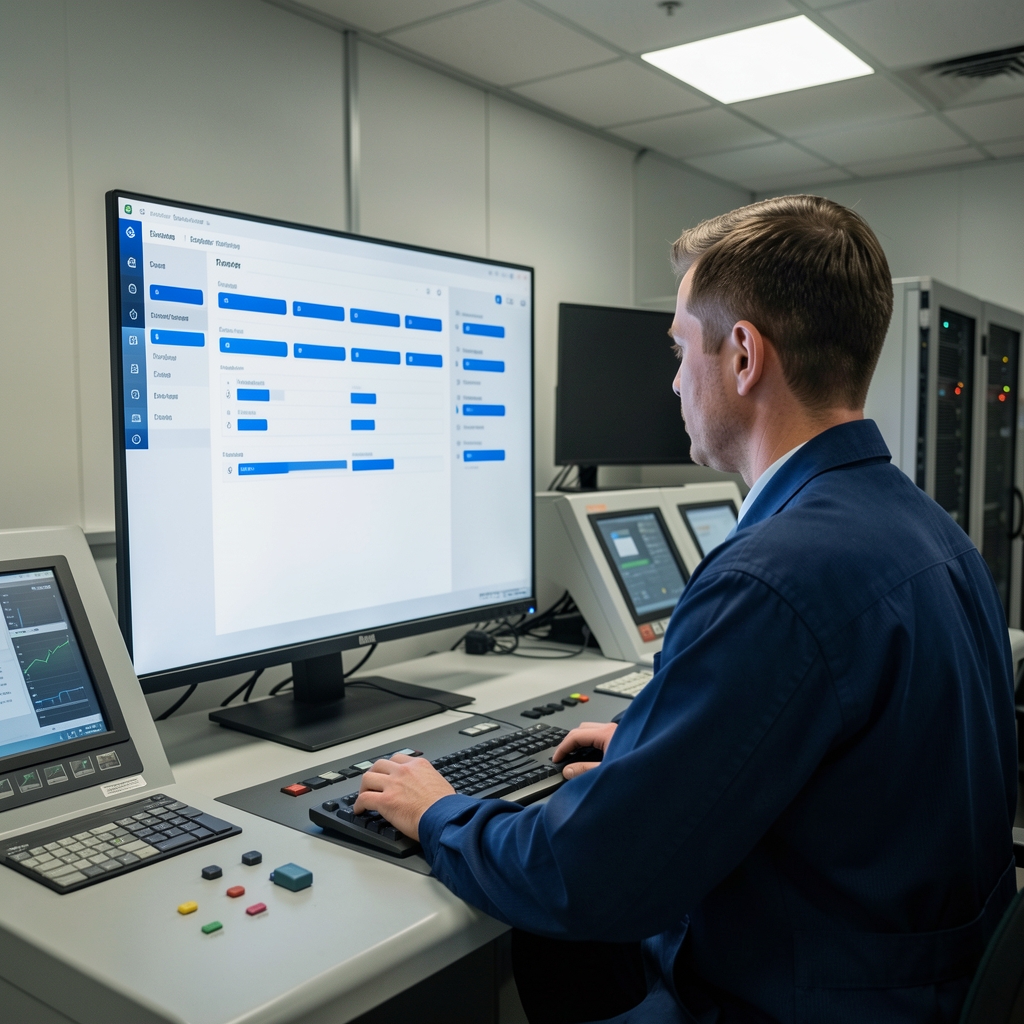
A practical reading checklist
- Identify the software version and publication date.
- Separate a network role from a commercial service.
- Look for operational, security, and maintenance disclosures.
Reliability is a process of maintenance, not a permanent label.
Validator fundamentals
A validator is a network participant that runs relevant software, receives data, and takes part in the process defined by the protocol. It is not simply a server displaying a webpage. Its operation depends on software versions, connectivity, hardware, key management, monitoring, and the surrounding network.
- Software must be installed and maintained.
- Data must be received and processed in sequence.
- Keys and permissions require careful separation.
- Monitoring helps identify interruptions and configuration issues.
Descriptions of validator operation are technical, not a statement about returns or suitability. Conditions change by network version and operating environment, so a reader should consult current primary documentation.
Operating sequence
01 · Prepare
Choose compatible software, hardware, network settings, and security boundaries.
02 · Synchronise
Allow the system to obtain the relevant state and confirm that it is current.
03 · Participate
Process incoming data according to the protocol and local configuration.
04 · Observe
Review logs, health signals, version notices, and operational events.
Validator components
| Component | Function | Operational question |
|---|---|---|
| Software client | Implements protocol behaviour | Is the version supported? |
| Network connection | Receives and sends data | Is connectivity stable? |
| Signing material | Authorises defined operations | Is it isolated and protected? |
| Monitoring | Surfaces state and incidents | Who reviews the signal? |
Operational humility
“Reliability is not a label; it is an ongoing practice of observing systems and responding to evidence.”
- Read the current technical requirements.
- Separate operational keys and permissions.
- Document changes and incidents.
- Review the source before updating software.